
By David Maniega, Head of UX at Infinitum Digital
UX/UI design has been undergoing a significant transformation for some time now, driven by the rise of artificial intelligence (AI). This redefines how we design interfaces and also how we analyze and understand user behavior.
The central goal of User Experience is to ensure intuitive, accessible, and efficient digital experiences, with personalization that meets the needs of each user. In the educational sector, this involves analyzing in-depth data on study habits, digital behavior, and preferences of students, teachers, and administrative staff to generate creative, useful, and adaptable solutions for the future.
The role of AI in the redesign of the educational experience
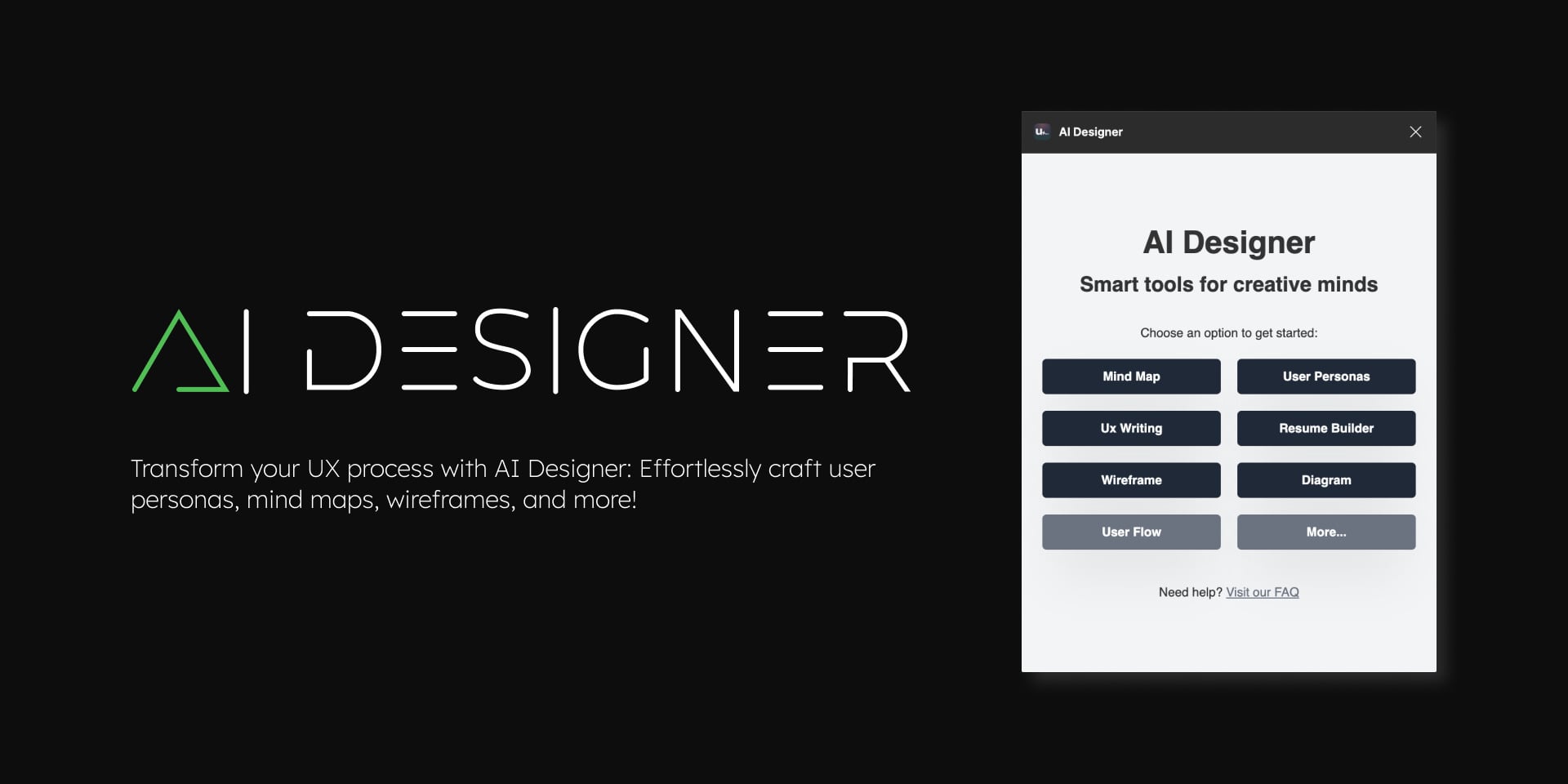
With the evolution of platforms like Figma, Lovable, Bolt, or v0, with advanced AI functionalities, we see how the most repetitive design tasks are being automated. This allows UX experts to focus on the more strategic part, where they can add more value.
However, empathy and analytical thinking are not easily automatable. They are part of the human essence and will continue to be necessary to create the best digital experiences centered on people, whether in learning platforms, admission portals, or complex academic ecosystems.
Researching to design better: a pending debt in education
However, it would be naive to underestimate the growing capacity of AI to take on traditionally human tasks. Although for now these tools tend to replace more mechanical or low-level jobs, it is evident that their potential will continue to increase.
This forces us to rethink how we design and measure digital products. In the case of universities and educational centers, the challenge is to integrate this evolution without losing sight of the main objective: creating experiences that drive engagement, motivation, and real learning.
Furthermore, the UX market is still in a phase of maturity; in many institutions, UX professionals are part of functional departments and are not involved in strategic decisions. Building a mindset where UX and design are taken into account requires effort and time, but it is essential to deliver true value.
The future of UX in education
Looking ahead, UX design is moving towards predictive, fluid, and highly personalized experiences, where technology adapts to the user so naturally that it goes unnoticed. In that context, the role of strategic design will be key to scaling educational products born as MVPs supported by AI and ensuring that they remain deeply human, aligned with both the real needs of users and institutional objectives.
It will be necessary to speak the language of data, metrics, and academic planning, without losing the connection with those who truly matter: the people who learn and teach in the centers.
Do you want to make your UX a differentiating element?
At Infinitum Digital, we have extensive experience working with companies and institutions in the educational sector.
Contact us to create experiences together that truly connect with your students and staff.