Orchestration in universities: an essential step towards relevance
How to move from automation to orchestration

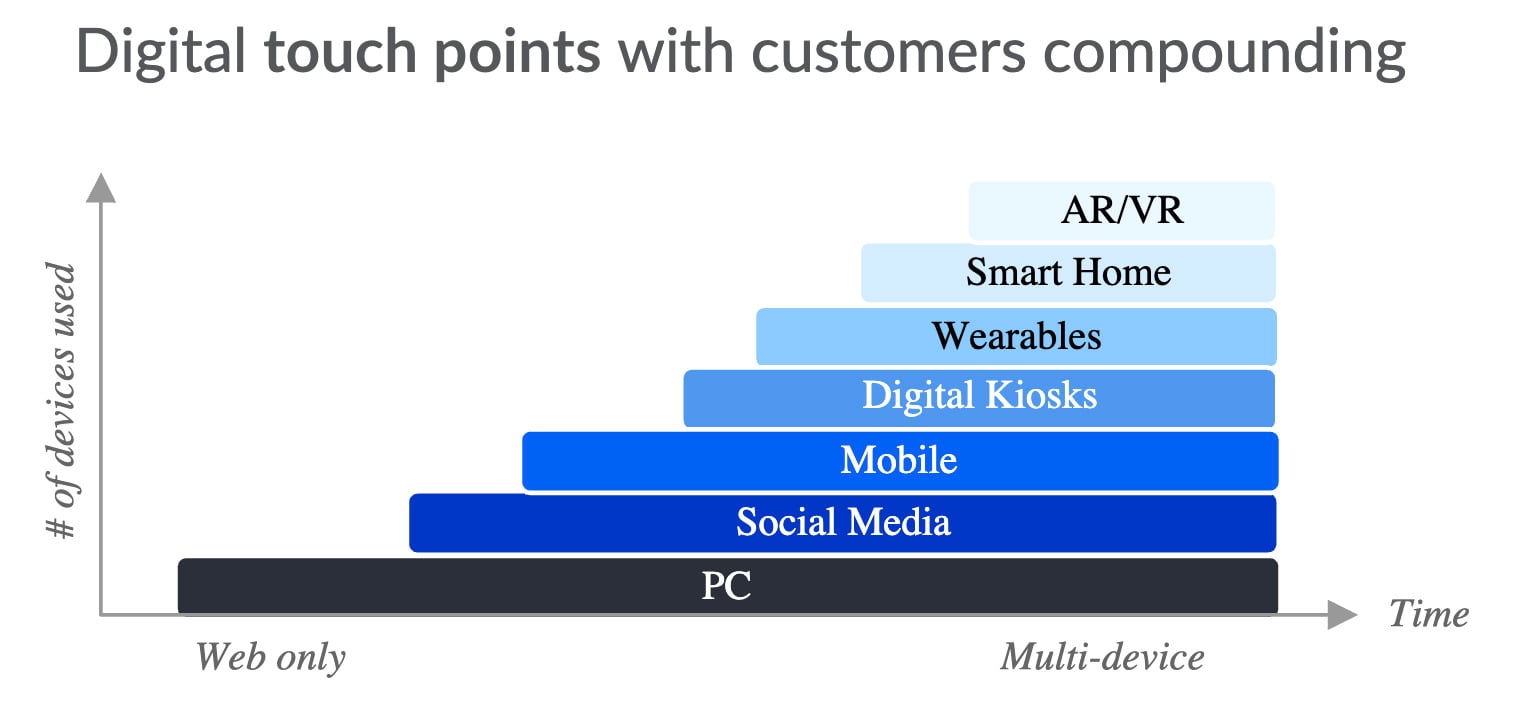
Currently, many institutions face a common challenge: the fragmentation of their systems. CRM, marketing automation (MA), CMS, communication platforms, and data analysis often operate in isolation, making efficiency and personalization of the educational experience difficult.
Automating processes is a great first step, of course, but universities must go further. To achieve this, it is necessary to coordinate all solutions within an orchestrated ecosystem that ensures smooth management and a more cohesive experience for students, teachers, and administrators.
If we want to offer personalized experiences, it is essential to orchestrate a technological stack.
And amidst so much competition, personalization is essential to not fall behind. According to Segment, 60% of consumers say they will stop consuming a brand if the experiences are not personalized.
The challenge of fragmentation in universities
Many universities have implemented different digital solutions to manage their academic, administrative, and communication processes. However, when these tools are not integrated, challenges arise such as:
- Lack of data synchronization: Information scattered across multiple platforms without connection between them.
- Poor user experience: Interfaces and systems that do not offer a unified workflow.
- Limitations in decision-making: Difficulties in consolidating data and obtaining strategic information in real time.
This lack of cohesion results in generic messages and actions that do not help drive student recruitment, service, or loyalty.
The benefits of digital orchestration
To solve these problems, digital orchestration becomes the key piece. It is not just about connecting tools, but about designing a technological ecosystem in which all solutions work together in a synchronized manner.
This approach allows data to flow seamlessly and for each system to contribute to a more integrated and efficient experience, providing the following benefits:
- Process automation: Reduction of manual tasks and human errors in academic and administrative management.
- Omnichannel experience: Ensures consistent communication at all touchpoints with students and prospects.
- Data-driven decision-making: Integration of advanced analytics to predict trends and improve personalization.
Case study: Our stack's CDP (Customer Data Platform) detects that a user has been searching for information on law courses, therefore, this information is connected to our marketing automation tool and we send related information by email based on their interests and back on the website, the content and testimonials are linked to law.
Without this orchestration and cohesion between tools, the user's data would have been scattered, and we would have sent generic information that would not spark any interest.
Orchestration as a strategic pillar
At the last Ibexa Summit, integration and orchestration were one of the hottest topics. Some of the reflections around it can be especially interesting for the university market.
The Actito case: a model of omnichannel
In one of the talks, Actito discussed how to move from automation to orchestration, showing live how they work on their own platform.
Actito showed how they had connected the data from all their different channels (email, web, Whatsapp, Meta, etc.). And this, for customer activation, or future students in the case of universities, is an essential advantage. It helps increase conversions and reduce time and costs.
Alliances between the best platforms
Major companies in the sector are understanding perfectly the importance of orchestration and are therefore creating synergies.
At the Ibexa Summit, this was discussed under the concept of MarTech Aggregator Company, where different independent products are integrated under the same technological and business framework.
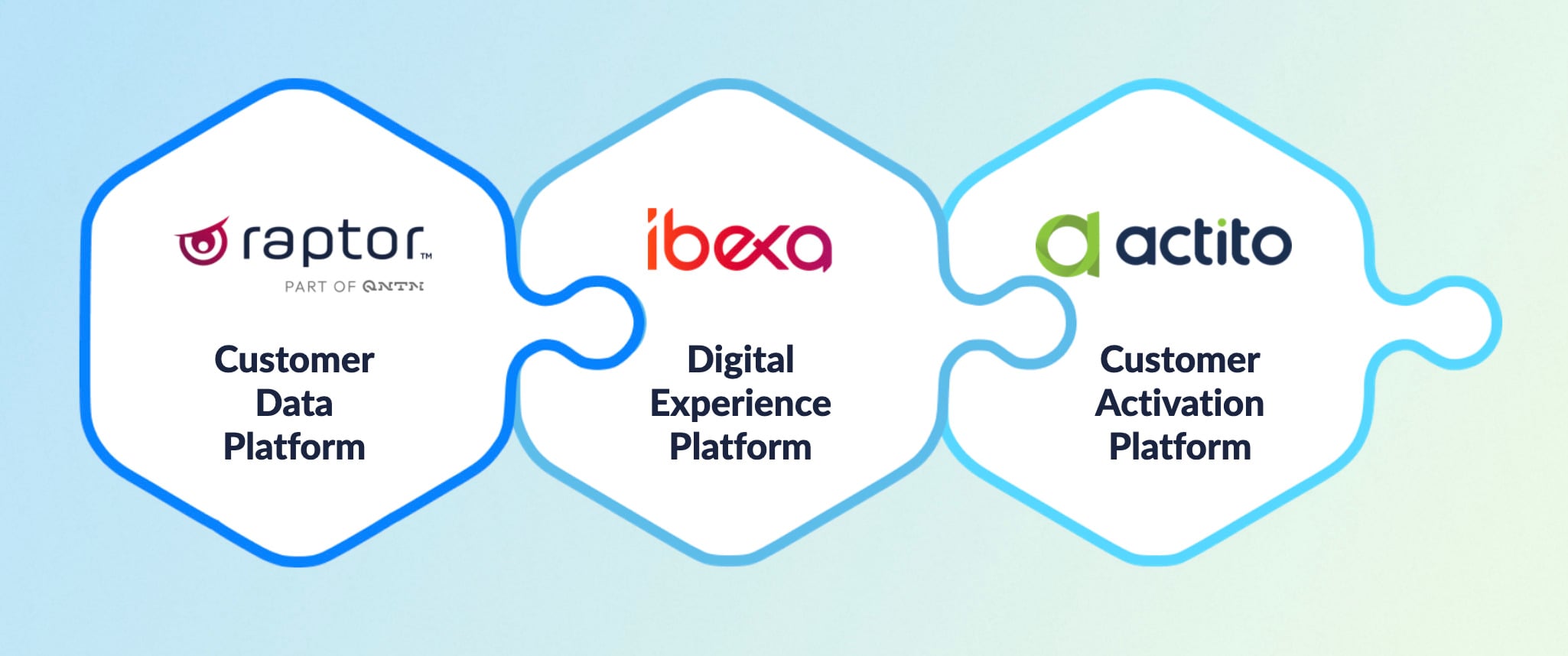
We can see this in the case of QNTM with the relationships between Ibexa (DXP), Raptor Services (CDP), and Actito (marketing automation) or also with the union between Contentful (headless CMS) and Ninetailed (personalization).
Towards a smarter digital ecosystem
The future of higher education lies in the adoption of integrated and orchestrated digital solutions. Universities that adopt this approach will be able to offer a smoother and more personalized experience to their students, improve their operational efficiency, and position themselves as innovative institutions in the educational market.
At Infinitum Digital, we have extensive experience working with clients in the education sector. If you're looking to improve your institution's digital experience, contact us and find out how we can help you.
Infinitum Digital, digital experts in the education sector.