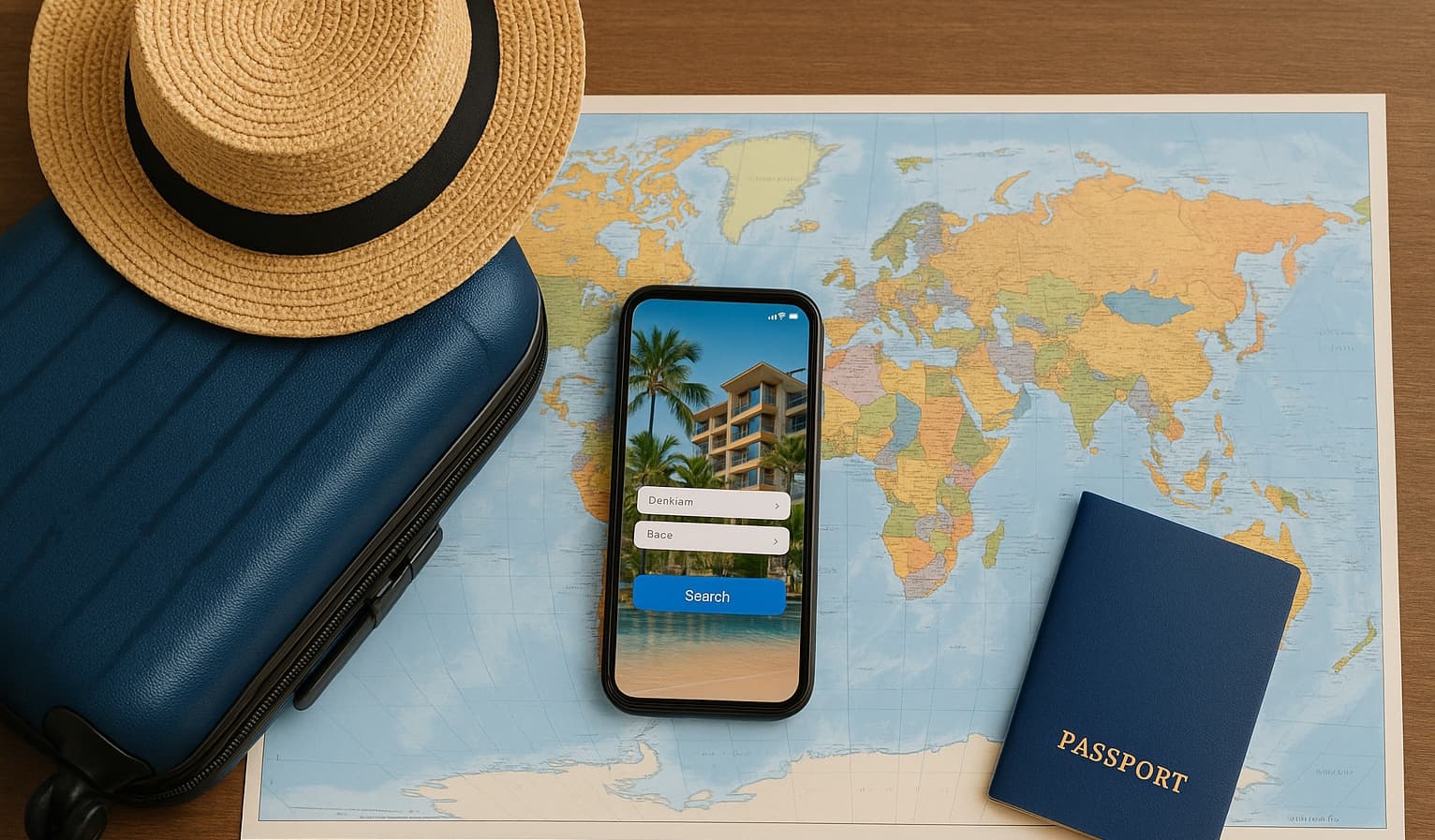
User experience (UX) has become a key piece for companies in the tourism sector. Today more than ever, travelers demand intuitive, fast, and tailored platforms to their needs.
In an environment where a large part of decisions are made online, offering attractive and functional digital tours is as important as the destination itself.
From our experience in the digital transformation of the tourism sector, we gather the five UX trends that are changing the way trips are planned, booked, and experienced.
1. Real-time Personalization through AI and Predictive Analysis
Artificial intelligence and data analysis allow to offer unique digital experiences for each traveler.
Tourist portals and digital agencies already use these resources to adapt content, suggest destinations based on search history, or show activities according to the user's profile.
The result is a more agile, personalized experience aligned with the expectations of the modern traveler.
2. Augmented and Virtual Reality to Inspire and Decide
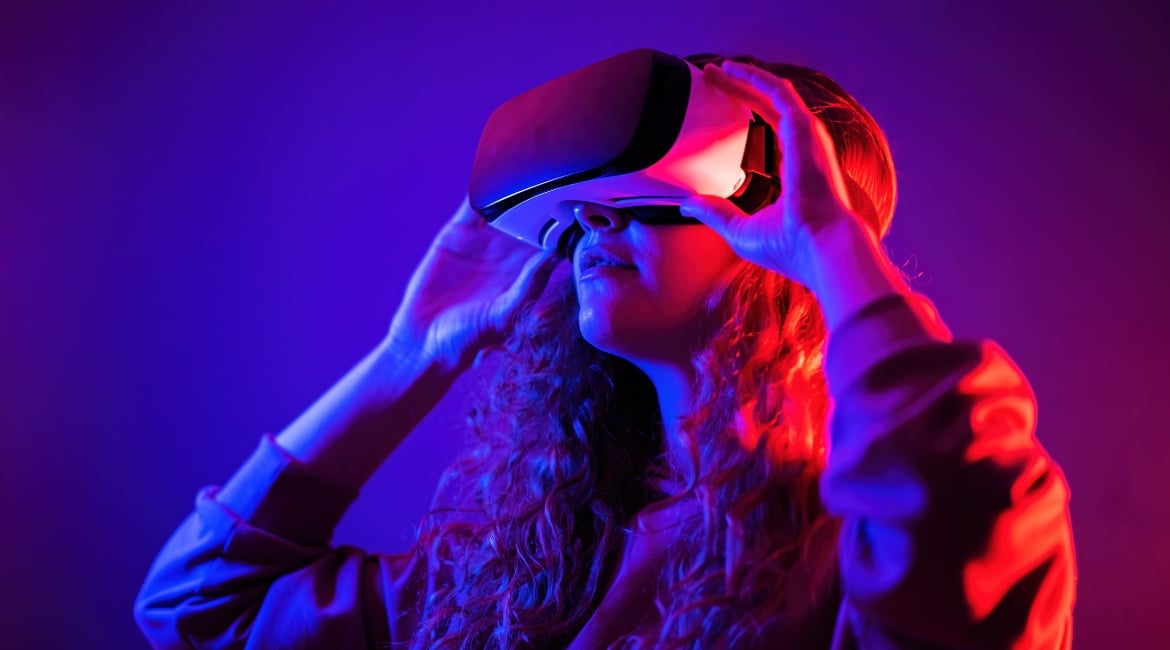
AR and VR are helping users explore destinations before visiting them. From virtual tours of hotels to simulations of routes or monuments, these tools enhance the inspiration phase and increase confidence when booking.
They reinforce the emotional connection with the destination. That's why more and more tourism companies are opting for these technologies as part of their digital proposal.
In other sectors, their use may be a bit more forced and unnecessary, but for showcasing tourist destinations, they are very useful tools.
3. Mobile-first Experiences and Microcontents
The mobile-first approach has been sounding for many years, but it remains important.
A tourist platform correctly adapted for smartphones and with a top-notch user experience will allow reaching many more potential customers and increasing the conversion rate.
Additionally, microcontents, such as short videos, interactive maps, or quick tips, are better suited for short times and fragmented user attention.
This approach facilitates a more agile consumption of information, ideal for those who are always on the go.
4. Virtual Assistants and Chatbots to Accompany the Traveler
Chatbots have become ideal assistants to instantly resolve doubts: from changes in a reservation to last-minute recommendations.
Integrated into travel websites or apps, they allow offering 24/7 support in different languages, improving the experience for international users.
Moreover, they can act as digital guides, recommending personalized plans or reminding of important schedules.
Besides improving efficiency, their implementation also conveys professionalism and closeness throughout the customer journey.

5. Gamification to Motivate and Retain
Incorporating game dynamics into the digital tourism experience is an effective way to increase user interaction.
Points programs, unlockable achievements, or rewards for completing routes or activities help generate commitment and fun.
Some apps even integrate challenges or stories that turn an itinerary into an interactive adventure.
This approach turns the trip into a participatory and memorable experience, especially appealing to young profiles or families.
In conclusion: designing memorable trips starts online
These five trends point in the same direction: offering digital experiences that connect with the traveler from the first moment.
From the initial inspiration to the return home, each digital touchpoint must be intuitive, personalized, and inclusive.
At Infinitum Digital, we help tourism brands make that leap, combining creativity, technology, and knowledge of the tourism sector.
Want to improve your digital experience? Contact us!
Infinitum Digital, digital experts in the tourism sector.