A CDP is essential for tourism companies: here's why
Discover how it helps transform user data into personalized experiences
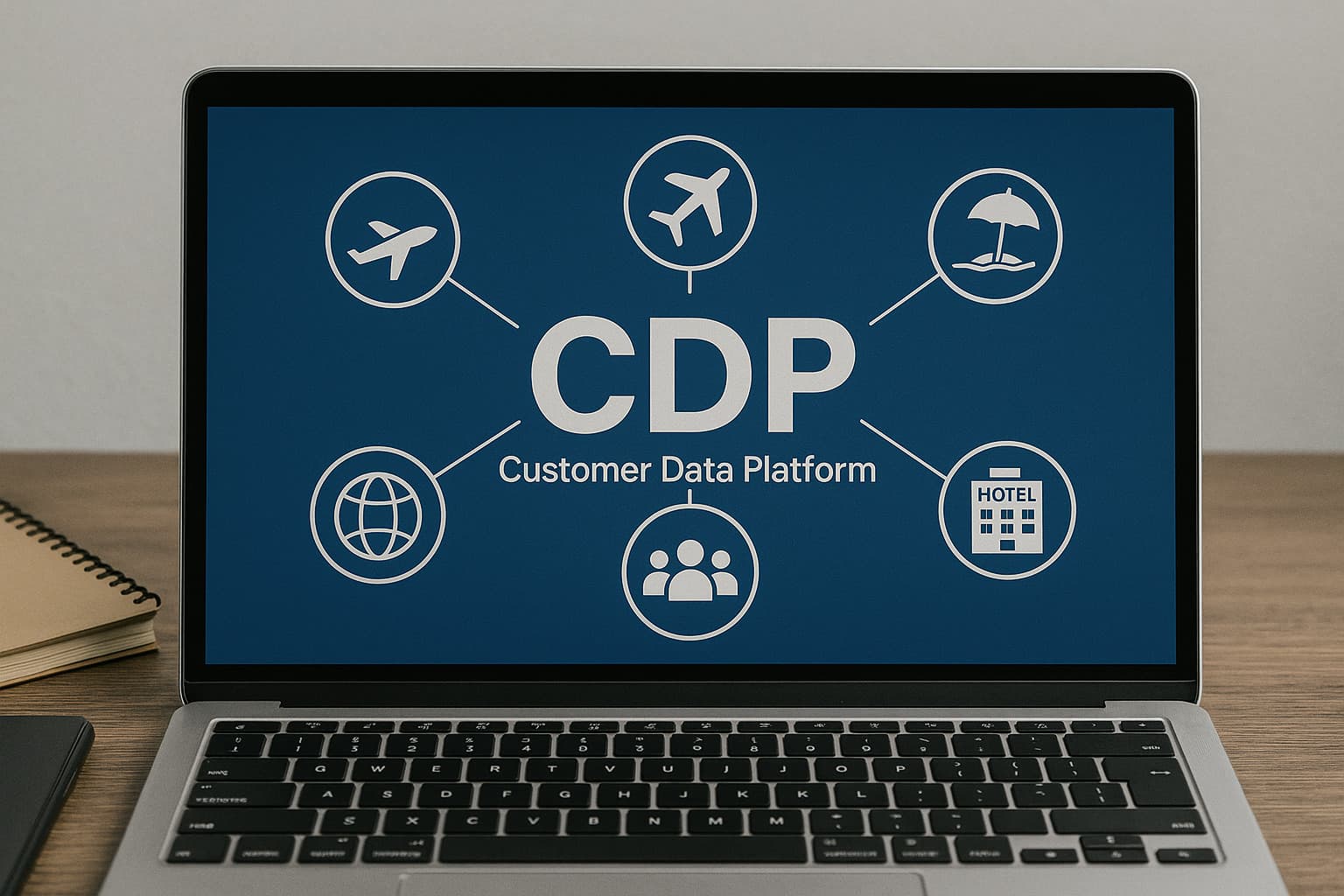
If your tourism platform still sends the same generic message to all users, it is losing potential customers.
The market has been working with all kinds of strategies for years: PPC, SEO, buyer personas, etc. But everything is changing and we can no longer address all users in the same way and with the same message. We must adapt to their unique interests and behaviors.
This might seem difficult, but it's not. The best way to achieve this is to update the technological infrastructure and start using a CDP.
What is a CDP? Which solutions does it provide in the tourism market?
A Customer Data Platform (CDP) is a tool that collects customer data from different channels to obtain a unique view of each user. Therefore, it allows adapting the user experience (UX) to each case, ensuring that each customer receives only those messages that fit their profile.
So far, many tourism companies have worked with CRM and marketing automation tools. However, these solutions are more focused on customer management and lead conversion, but they do not offer a complete view of user behavior.
On the other hand, a CDP allows:
- Integrate data from multiple channels (email, web, social media, apps, etc.)
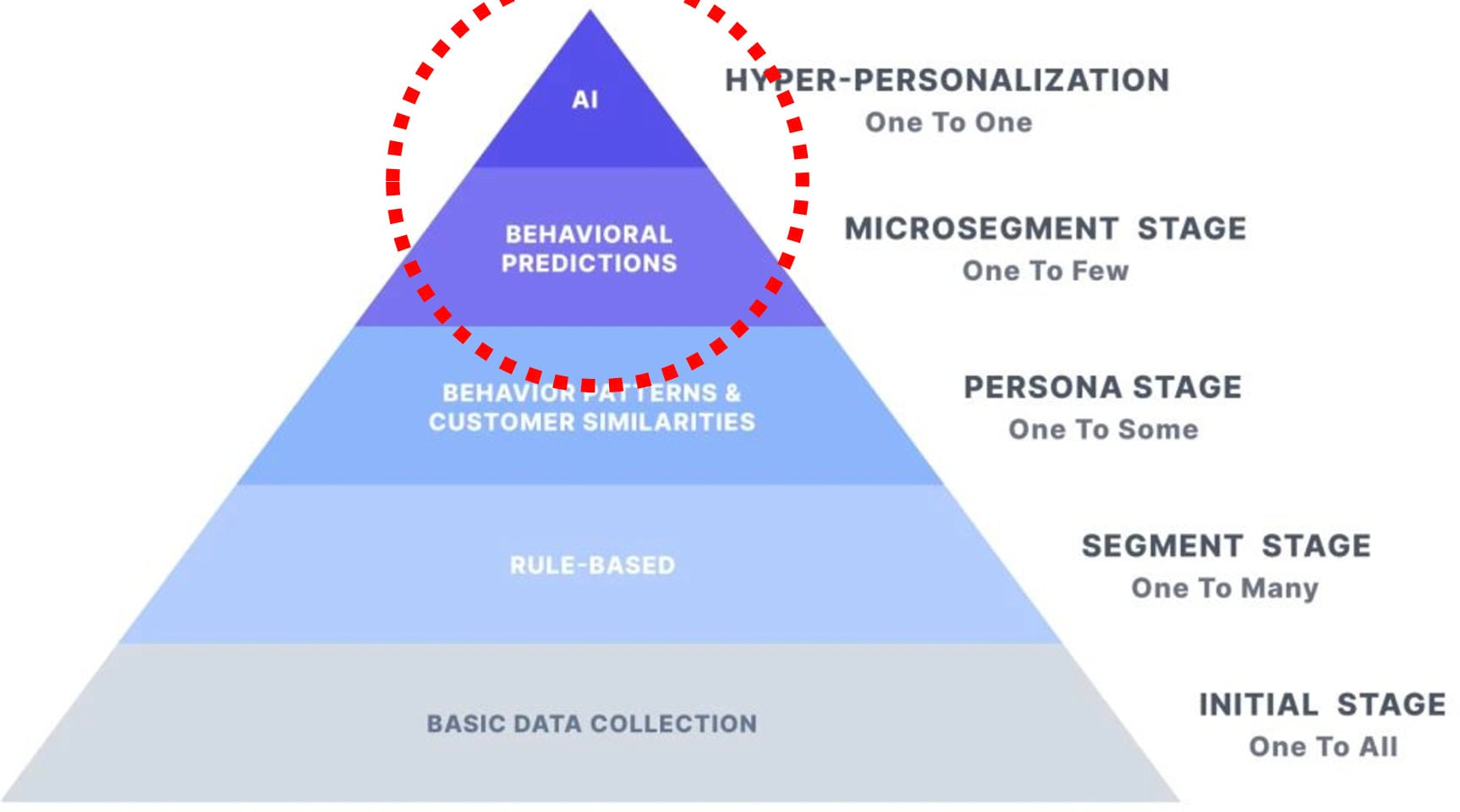
- Offer hyper-personalized experiences at all touchpoints
- Create profiles of each customer with information about their behavior
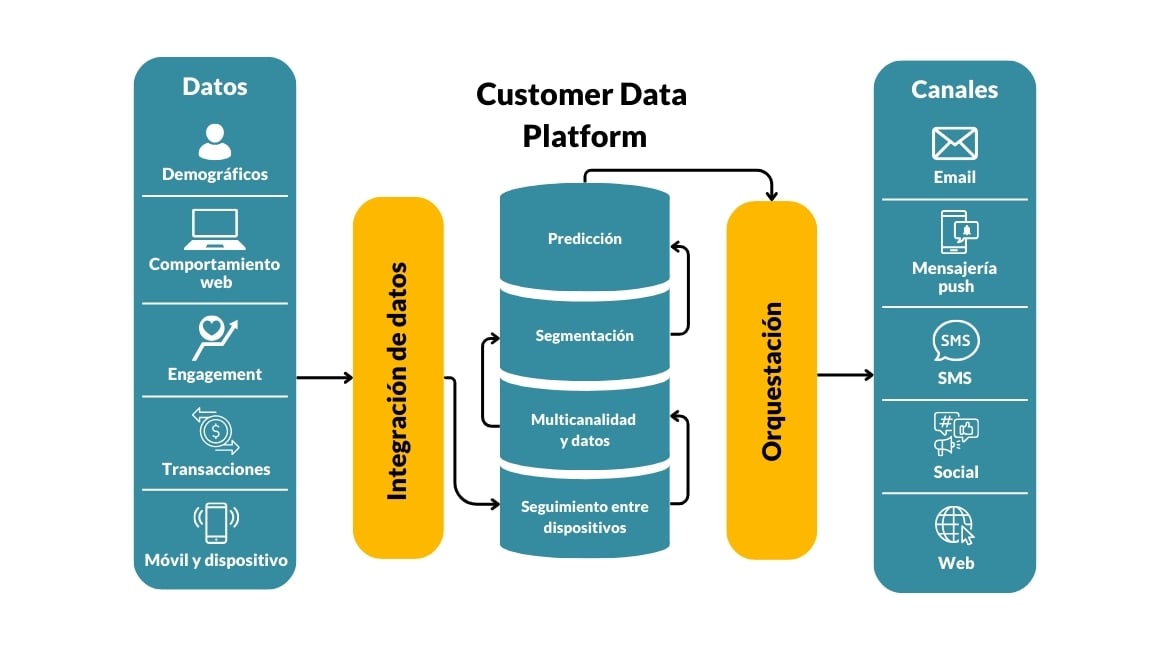
2 key reasons to implement a CDP
1. Hyper-personalization: each user is different
Let's consider the case of a user who has visited a resort page in the Riviera Maya several times, has explored articles about beach destinations, and has interacted with luxury travel content.
With a CDP, you can automatically identify this interest and:
- Show exclusive offers for that destination.
- Send personalized recommendations based on their profile.
- Highlight relevant content when they return to the website.
Without this personalization, they will receive generic emails that will not generate any interest (they may even lead to rejection), and on the website, they will find the same content as a user interested in, for example, rural cottages.
2. Unifying information to enhance user experience
Travelers interact with tourism companies on many channels:
- Visit the website and check different destinations.
- Receive emails with promotions or offers.
- Interact with chatbots.
- See content on social media.
- Make phone inquiries.
The problem is that this information used to be scattered, and connecting it would require significant manual efforts.
A CDP solves this by consolidating all data into a single user profile, allowing to offer more relevant messages at each touchpoint.
For example, if a user has requested information about a vacation package in Greece through the website, the CDP will prevent them from receiving generic emails about trips to other destinations, reducing information overload and improving the customer experience.
Implement a CDP to stay ahead in personalized experiences
In such a dynamic and competitive sector like tourism, companies that adopt advanced personalization strategies will stand out from the rest. A CDP allows you to better understand each traveler, anticipate their needs, and improve acquisition and loyalty.
At Infinitum Digital, we work with the best technological solutions in the market, such as Raptor Services, a leading CDP that has recently merged with Ibexa, the largest European digital experience platform (DXP). Additionally, we have a solid track record in consulting and implementing digital projects for the tourism sector.
If you want to discover how a CDP can transform your business strategy, contact us.