By David Maniega, Head of UX at Infinitum Digital
UX/UI design is undergoing a profound transformation driven by artificial intelligence (AI), which redefines not only the way we design interfaces, but also how we understand and anticipate user needs and behaviors.
The central objective of UX remains to ensure that digital products are intuitive, accessible, and efficient, providing personalized experiences that meet specific user expectations. In the tourism market, this involves thoroughly analyzing data on preferences, travel habits, and tourist customer behaviors to generate creative, innovative, and scalable solutions for the future.
AI in design: beyond automation
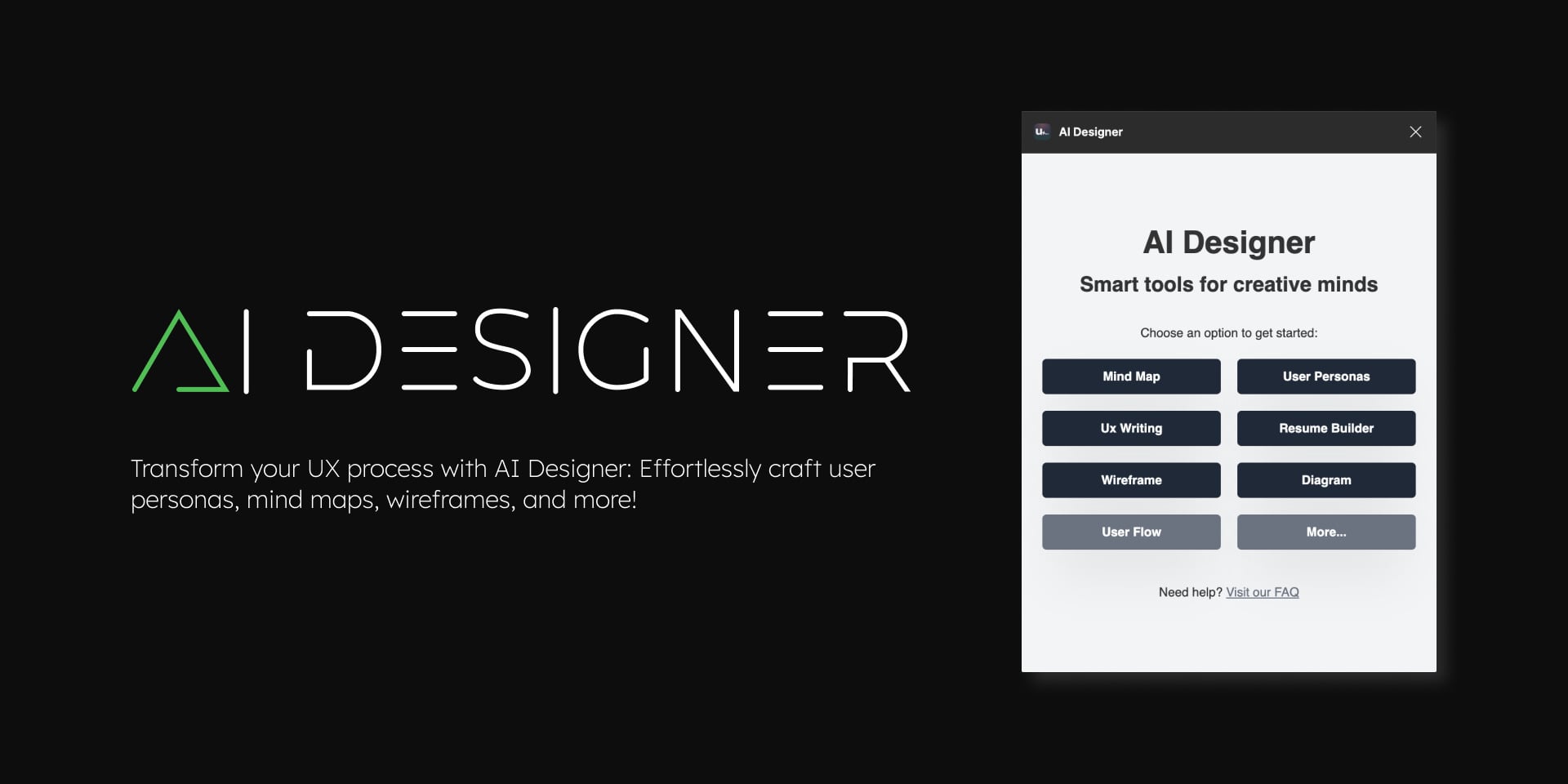
With the evolution of tools like Figma, Lovable, Bolt, or v0, which already integrate advanced AI functionalities, we are witnessing how time-consuming repetitive design and prototyping tasks are automated, allowing UX consultants to focus on more strategic and higher value-added aspects.
However, this does not mean that empathy and analytical thinking, essential in the UX profession, are easily automatable. On the contrary, these human elements will remain fundamental to generate experiences genuinely centered on the traveler, from booking accommodation to planning a personalized local experience.
Research remains key (and often forgotten)
However, it would be naive to underestimate the growing capacity of AI to take on roles considered exclusively human until now. Although today these tools are considered to only replace more basic or commodities, it is clear that their capacity will continue to expand.
The way we practice our profession and the type of expected results will undergo a radical transformation, demanding constant adaptation and a mindset oriented towards measurable results and tangible business cases: a particularly relevant change in a sector as competitive as tourism.
A common criticism in UX practice is how agile processes often focus too much on product delivery, sacrificing the research and discovery phase. Speed and quantity are rewarded over quality, limiting the depth and accuracy of user understanding and thus limiting the true impact of design.
Furthermore, the UX market is still in a phase of maturity; in many organizations, UX profiles are integrated into functional departments and do not have specific weight in strategic decision-making. Building an internal UX team and, above all, a design culture and mindset, requires time and sustained effort, but it is essential to deliver true value.
Increasingly personalized and invisible travel experiences
Looking to the future, UX is heading towards hyper-personalized and predictive experiences, where interaction will be so natural that it could become imperceptible. It will be then when expert strategic supervision will be vital to scale products that were born from MVPs created with AI and ensure that design remains deeply human and focused on the real needs of travelers, combining it, however, with the language of business (objectives, metrics, and strategy) to offer a result with greater effective value.
Want to make your UX a differentiating element? .
At Infinitum Digital, we have extensive experience working with companies and institutions in the tourism sector.
Contact us to create together experiences that truly connect with your travelers.